
Trataka Meditation with Candles: A Beginner's Guide
Nikita JaisinghaniLong before phones, screens, or noise-cancelling headphones existed, people looking for stillness turned to something far simpler a single flame.
Trataka is one of the oldest concentration practices in the yogic tradition, and it's built entirely around this idea: that steady, unwavering attention on one small point of light can quiet a mind that never stops moving.
If you've ever caught yourself staring at a candle flame at the end of a long day, feeling strangely settled without knowing why that instinct is older than you think. Trataka simply gives it structure.
What Is Trataka Meditation?
Trataka comes from Hatha Yoga, where it's classified as one of the shatkarmas traditional cleansing and preparatory practices used before deeper meditation. The word itself roughly translates to "to gaze" or "to look steadily."
In its most common form, Trataka involves sitting in front of a candle flame at eye level, gazing at it without blinking for as long as comfortably possible, then closing the eyes and holding the afterimage of the flame in the mind's eye.
It sounds almost too simple to matter. But that simplicity is the point. Trataka isn't about doing more it's about doing one thing, completely.
Why a Candle, Specifically?
Trataka can technically be practiced on any fixed point a dot on a wall, a symbol, even the moon. But a candle flame is the traditional and most widely used object, for a few practical reasons:
- It moves slightly, which keeps the gaze naturally engaged rather than forcing rigid focus
- It's warm and soft, making it easier on the eyes than a static, harsh point
- It creates a strong afterimage, which is central to the second half of the practice
- It sets a mood of ritual, turning meditation into something you look forward to rather than a task to get through
There's also something quietly symbolic about it a small, steady light in an otherwise dark room mirrors what the practice is trying to build inside you: a calm, unwavering point of focus.
The Traditional Benefits of Trataka
Trataka has been practiced for centuries, and while it isn't a substitute for medical eye care or treatment, practitioners across generations have associated it with several benefits:
- Sharper concentration — repeatedly returning attention to one point trains the mind the way repetition trains a muscle
- Reduced mental chatter — the stillness of the gaze often slows down restless, looping thoughts
- Better sleep — many people practice it in the evening as a way to downshift before bed
- A greater sense of calm — the ritual itself, done consistently, tends to lower everyday reactivity
- Improved eye relaxation — some practitioners find it soothing for eyes tired from screens, though this is anecdotal rather than clinically proven
If you're dealing with an existing eye condition, it's worth checking with a doctor before making this a regular practice, simply as a precaution.
'
How to Practice Trataka: Step-by-Step
You don't need any special equipment beyond a candle, a quiet room, and a few uninterrupted minutes.
1. Set up your space Dim the lights or practice in a dark room. Place a candle at eye level, about two to three feet away, on a stable surface.
2. Sit comfortably Cross-legged on the floor or upright in a chair whatever lets your spine stay naturally straight without strain.
3. Light the candle and settle Take a few slow breaths before you begin. Let your shoulders drop.
4. Gaze steadily Look at the flame without straining. Try not to blink, but don't force it if your eyes water that's a normal response, not a mistake.
5. Hold your focus for 1–5 minutes Beginners often start at one minute and build up gradually over several weeks.
6. Close your eyes Once you're done, close your eyes and observe the afterimage of the flame. Let it fade naturally in your mind without chasing it.
7. Sit for a moment before getting up Give yourself thirty seconds to a minute of stillness before returning to your day.
Common Mistakes Beginners Make
- Forcing the eyes not to blink — this creates strain instead of focus; blinking occasionally is completely fine
- Sitting too close to the flame — this can feel harsh on the eyes; two to three feet is generally more comfortable
- Practicing for too long, too soon — one minute done consistently is more valuable than ten minutes done once and abandoned
- Using a flickering, unstable candle — a candle prone to erratic movement or smoke can be distracting rather than calming
- Expecting instant stillness — like any concentration practice, the mind wanders at first; that's part of the process, not a failure of it.
Choosing the Right Candle for Trataka
Not every candle suits this practice equally well. A few things worth considering:
| Consideration | Why It Matters |
|---|---|
| Steady, smokeless burn | Reduces distraction and eye irritation |
| Unscented or lightly scented | Keeps focus on the visual, not the fragrance |
| Consistent flame height | Easier to maintain a steady gaze |
| Long burn time | Useful if you're building up practice duration over weeks |
A well-made candle won't change the outcome of your meditation on its own, but a poorly made one smoky, uneven, prone to sputtering can quietly work against you.
Making Trataka Part of Your Routine
The people who benefit most from Trataka rarely treat it as a one-off experiment. They build it into something small and repeatable often the same time each day, the same corner of the room, the same candle.
Some pair it with their morning tea, before the day gets loud. Others use it as a wind-down ritual, right before sleep, when the mind is most in need of something to settle it.
There's no perfect time. There's only a consistent one.
Bringing This Into Your Everyday
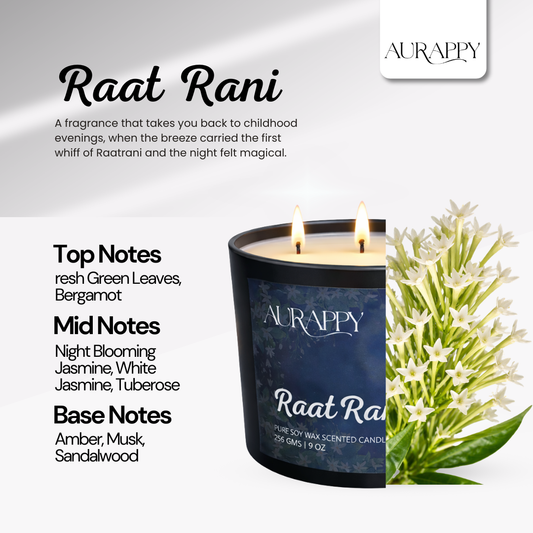
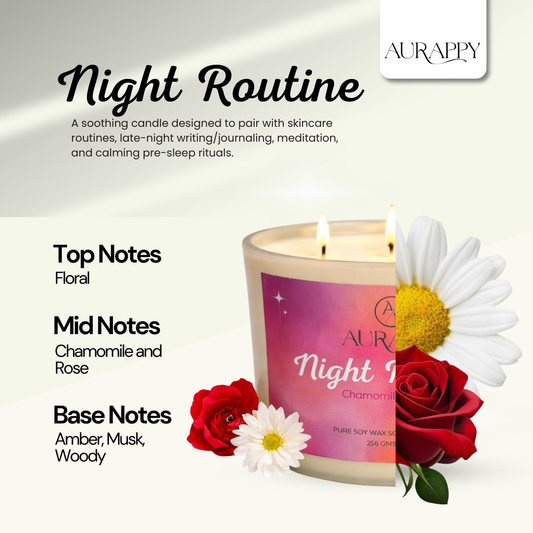
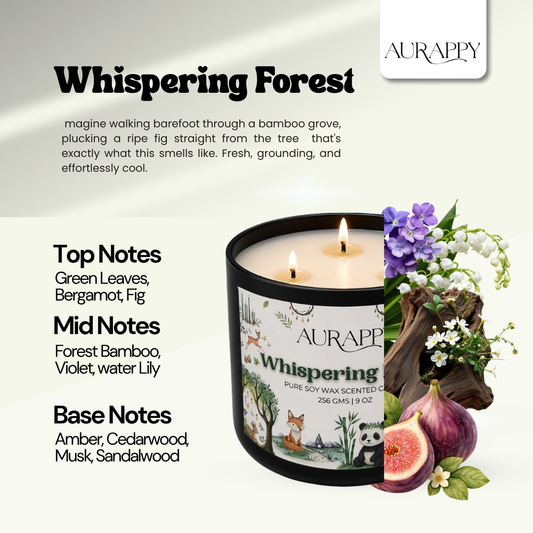
At Aurappy, we think of a candle as more than just fragrance and light for practices like Trataka, it becomes a tool for stillness. A steady, well-crafted flame is a small but meaningful part of showing up for a few quiet minutes with yourself.
You don't need to overhaul your evening to begin. You just need a candle, a dark room, and a willingness to sit still for a minute longer than usual.